Wednesday, March 30, 2011
I play Jesus; and live Judas
Love and Hate, my sister markings so close at hand and still never to kiss. I remember everything you ever could have been. And I see those shiny dreams blow away; you'll be my nothing now as I give way to springtime.

Tuesday, March 29, 2011
There's No Home For Me Here

Fear, void, meaning.
You can't avoid it, but there are various coping mechanisms. Its a storm you weather until you feel the worst of it is over. But there are always moments, skirmishes of the heart, relapses.
When you think its passes, and suddenly you find yourself sitting on a bus, chatting away together easy as can be before the realization finds you. It creeps up behind you and slits your throat, and when it does that all you manage to do is gasp.
"We're not in love anymore. Right"
Because for that respite it had been natural and it had felt good to forget.
Monday, March 28, 2011
Closer to the edge: core essay on womanhood
‘Art is subjective’; no truer words could be spoken .In making this point, I will take two opposite, popular works, and address the statements they make by analyzing them as works of art with something to say. By this operational definition, the cultural creations of Twilight (the novels by Stephenie Meyer) and “Tangled” (The Disney film) fulfill the requirements of an artistic statement, where both address the issue of woman’s proper place in society through their respective medium. First, I will address the definitions by which the assessment will be conducted, that is to say define “art” for the purposes of this essay. Second, I will analyze the book series Twilight on the grounds of its artistic merits and message. And finally, I will contrast this work and its merits/ message against that of Tangled, a Disney film. In this way, the definition of art will be tested in the examples of these two cultural creations while at the same time illuminating the key aspects of the works themselves.
Setting the operational definitions for terms such as “art” is key in an essay of this nature; to do this I will employ the help of thinkers such as Stanley, Foucault, and Hebdige. Stanley’s view shows art as a microphone through which the artist communicates to the masses. Using this definition, both Twilight and Tangled fit the bill. To support this, though they are abstract, the Rothko paintings, though abstract, also communicate emotion through the painted medium. Also, Neukom’s vivarium acts as a piece of art which is unusual, but art nonetheless as the building itself is a comment on nature and urbanism, or more generally “life and death”. Another thinker worth note, Foucault, believed that all creations were invariably ‘situated’ in the time of their creation (real or fictional). Adding this principle to our definitions reveals this layer of consideration: does art reflect its ‘situation’, or the culture and time from which it came? Is it a comment on that time, and if so, what is it saying about that time? Foucault uses a fictional ‘Chinese encyclopedia’ to illustrate possible positioning and the relative-ness of any single creation. Furthermore, Hebdige’s work asserts that art must also interact with its environment, its culture. He illustrates this point by explaining the cultural genesis of many of the musical genres he discusses, in this way it is presented that art is not something which exists in a vacuum. Synthesizing these ideas, our requirements for art come together in the following assertions: Art must be a creation which makes a statement. And finally, the creation must both reflect and interact with its culture in some way (either by adding to public discourse or contradicting it-- as Hebdige points out). Accepting that the works of Twilight and Tangled are, in fact (if by definition only) art, then it is important to ask: “what statement is being made?” and “what has this statement done”? in each piece of art. I am of the opinion that the statements made in both strongly affect (for better or worse) the prepubescent, female, audiences which comprise the bulk of their (highly impressionable) respective fanbases.
The book series, Twilight, meets this criterion of art in that it both is a comment on its society (being set in the present and naturally situating current discourse around that time) and also in that it makes a statement about the proper expression of feminine identity and womanhood. That said, Twilight’s statement about womanhood is that the evolution into maturity comes through marriage, childbearing, and accepting a life of subservience to one’s husband. In support of this, the author’s intended message is clear in that the self-actualization of the female protagonist only occurs after these preconditions have been met, leading young readers to infer that such are the conditions for adult womanhood. To achieve the end of expressing this message, and to make it relatable to her audience, Stephenie Meyer creates a nondescript female protagonist who ascends, through the process of the novels to—literally—immortal perfection by completing a series of transformative acts which take her from inadequate teenager to wedded superhuman. Analyzing the “end result” of Meyer’s character reveal details which further emphasize the point that Meyer’s judgments on womanhood are ‘traditional’ to say the least. The fully realized Bella (the female protagonist) is impossibly strong, beautiful, and devoted for all of eternity to her husband and child. Her vampire-super-power is described as being a wall—a mental barrier, which she uses (while risking her own life) to protect her husband, daughter, and in-laws from an invading vampire coven. Though it is never given name in the novels, the author’s blatantly Mormon values here contextualize the novel’s moral judgments on a woman’s place both in society and in the family. Such are the underpinnings of the novel which has reached out to millions- literally millions -- of readers, most of which are young girls without the cognitive ability to understand the implications of the parable. In this way, the conditions of the definition are filled entirely: it is a situated statement of obvious intent which has massively shaped the youth culture in America and abroad.
Tangled’s statement by contrast is wildly divergent from that of Twilight, making it an appropriate foil. It’s commercial success in merchandise/ticket sales/ dvd sales, etc. is testament to the ways in which it has succeeded to effect a demographic, and more to the point than that—reach a more positive vision of feminine empowerment to young minds. Tangled addresses the issues of adulthood (the coming of age of its female protagonist) through the context of independence, mature decision-making, and the exercise of rational thinking. It is situated in the classic tale of Rapunzel, but is a deliberate re-telling of the story—an inversion where rather than being liberated from her tower by a daring young man, Rapunzel herself escapes the tower (albeit accompanied by a clumsy, but loveable male tag-along). This is a breath of fresh air when contrasted to Meyer’s version of things. Rather than presenting adulthood as resulting from self-sacrifice and commitment, Tangled uses Rapunzel’s virtues to illustrate the bold ways in which a girl may waltz into womanhood boldly, and without having to hang on the arm of her ‘beloved’. Rather, Rapunzel (the protagonist) realizes maturity through a quest of self-discovery in which she gains self-confidence and the desire to actualize her dreams. Directly resulting of this, she is rewarded by discovering her long-lost parents, and ascending to royalty, after which she proposes to her (mostly useless during the course of the movie) male sidekick, Flynn. More than that, in direct contrast to the evolution of Meyer’s protagonist (who is rewarded with a form of greatness upon committing her life to protection and servitude, within the confines of a traditional family structure and eternal matrimony) Princess Rapunzel is rewarded with royalty and re-connecting with loved ones once she herself achieves maturity, self- direction, and confidence in who she is. In this way, Tangled is a positive spin on the centuries-old fairy tale, and a work of art which sends a far more positive and empowering message.
Finally, in sum, though these two works of art speak very different languages about women, they draw on the same basic concepts of art: that it is first and foremost a vehicle by which a message is passed to others.
Setting the operational definitions for terms such as “art” is key in an essay of this nature; to do this I will employ the help of thinkers such as Stanley, Foucault, and Hebdige. Stanley’s view shows art as a microphone through which the artist communicates to the masses. Using this definition, both Twilight and Tangled fit the bill. To support this, though they are abstract, the Rothko paintings, though abstract, also communicate emotion through the painted medium. Also, Neukom’s vivarium acts as a piece of art which is unusual, but art nonetheless as the building itself is a comment on nature and urbanism, or more generally “life and death”. Another thinker worth note, Foucault, believed that all creations were invariably ‘situated’ in the time of their creation (real or fictional). Adding this principle to our definitions reveals this layer of consideration: does art reflect its ‘situation’, or the culture and time from which it came? Is it a comment on that time, and if so, what is it saying about that time? Foucault uses a fictional ‘Chinese encyclopedia’ to illustrate possible positioning and the relative-ness of any single creation. Furthermore, Hebdige’s work asserts that art must also interact with its environment, its culture. He illustrates this point by explaining the cultural genesis of many of the musical genres he discusses, in this way it is presented that art is not something which exists in a vacuum. Synthesizing these ideas, our requirements for art come together in the following assertions: Art must be a creation which makes a statement. And finally, the creation must both reflect and interact with its culture in some way (either by adding to public discourse or contradicting it-- as Hebdige points out). Accepting that the works of Twilight and Tangled are, in fact (if by definition only) art, then it is important to ask: “what statement is being made?” and “what has this statement done”? in each piece of art. I am of the opinion that the statements made in both strongly affect (for better or worse) the prepubescent, female, audiences which comprise the bulk of their (highly impressionable) respective fanbases.
The book series, Twilight, meets this criterion of art in that it both is a comment on its society (being set in the present and naturally situating current discourse around that time) and also in that it makes a statement about the proper expression of feminine identity and womanhood. That said, Twilight’s statement about womanhood is that the evolution into maturity comes through marriage, childbearing, and accepting a life of subservience to one’s husband. In support of this, the author’s intended message is clear in that the self-actualization of the female protagonist only occurs after these preconditions have been met, leading young readers to infer that such are the conditions for adult womanhood. To achieve the end of expressing this message, and to make it relatable to her audience, Stephenie Meyer creates a nondescript female protagonist who ascends, through the process of the novels to—literally—immortal perfection by completing a series of transformative acts which take her from inadequate teenager to wedded superhuman. Analyzing the “end result” of Meyer’s character reveal details which further emphasize the point that Meyer’s judgments on womanhood are ‘traditional’ to say the least. The fully realized Bella (the female protagonist) is impossibly strong, beautiful, and devoted for all of eternity to her husband and child. Her vampire-super-power is described as being a wall—a mental barrier, which she uses (while risking her own life) to protect her husband, daughter, and in-laws from an invading vampire coven. Though it is never given name in the novels, the author’s blatantly Mormon values here contextualize the novel’s moral judgments on a woman’s place both in society and in the family. Such are the underpinnings of the novel which has reached out to millions- literally millions -- of readers, most of which are young girls without the cognitive ability to understand the implications of the parable. In this way, the conditions of the definition are filled entirely: it is a situated statement of obvious intent which has massively shaped the youth culture in America and abroad.
Tangled’s statement by contrast is wildly divergent from that of Twilight, making it an appropriate foil. It’s commercial success in merchandise/ticket sales/ dvd sales, etc. is testament to the ways in which it has succeeded to effect a demographic, and more to the point than that—reach a more positive vision of feminine empowerment to young minds. Tangled addresses the issues of adulthood (the coming of age of its female protagonist) through the context of independence, mature decision-making, and the exercise of rational thinking. It is situated in the classic tale of Rapunzel, but is a deliberate re-telling of the story—an inversion where rather than being liberated from her tower by a daring young man, Rapunzel herself escapes the tower (albeit accompanied by a clumsy, but loveable male tag-along). This is a breath of fresh air when contrasted to Meyer’s version of things. Rather than presenting adulthood as resulting from self-sacrifice and commitment, Tangled uses Rapunzel’s virtues to illustrate the bold ways in which a girl may waltz into womanhood boldly, and without having to hang on the arm of her ‘beloved’. Rather, Rapunzel (the protagonist) realizes maturity through a quest of self-discovery in which she gains self-confidence and the desire to actualize her dreams. Directly resulting of this, she is rewarded by discovering her long-lost parents, and ascending to royalty, after which she proposes to her (mostly useless during the course of the movie) male sidekick, Flynn. More than that, in direct contrast to the evolution of Meyer’s protagonist (who is rewarded with a form of greatness upon committing her life to protection and servitude, within the confines of a traditional family structure and eternal matrimony) Princess Rapunzel is rewarded with royalty and re-connecting with loved ones once she herself achieves maturity, self- direction, and confidence in who she is. In this way, Tangled is a positive spin on the centuries-old fairy tale, and a work of art which sends a far more positive and empowering message.
Finally, in sum, though these two works of art speak very different languages about women, they draw on the same basic concepts of art: that it is first and foremost a vehicle by which a message is passed to others.
Friday, March 25, 2011
Dionysius

It would seem that my rage against "the adults" ended when I, myself, became an adult. What a shocking turn of events. Now isn't the time for rage, anyway. Today as the rain fell, a life ascended from our world for somewhere better. Soon I will sit with the mourners and pat their hands gently as I extend my, and my family's, sympathies. And I will offer my help, and I will hold the grandson of the lost for all that he needs, or for all that I am able. But I am detached from the loosing and my comfort feels hollow in lack of true sympathy.
And for that, I am truly sorry.
Monday, March 21, 2011
Doesn't that feel excessive? I could really use a wish right now, etc al.
Isn't excess the natural state of man in postmodernity? NO, this feels cheap and unimportant. Find something new!
Have I done anything in my 21 years of life which would amount to some meaning?
Isn't that redundant? Who cares! Blow the whole thing up
There must be some purpose.
This isn't desperation or regret. This is knowing, and the remorse that comes with it. Innocence once lost can't ever be recovered, and that is the shame of it all.
But who misses it?! No sense mourning the lost! Let it go, find the shiny New Thing! Life's full of 'em!
I don't want to see you, not really, or anyone. I miss my dearest friends, but I don't think it's right to reach out to them.
So quit your whining, drink it up and let it fly, nothing is everything in terms of immorality! Affection is temporal!
Have I done anything in my 21 years of life which would amount to some meaning?
Isn't that redundant? Who cares! Blow the whole thing up
There must be some purpose.
This isn't desperation or regret. This is knowing, and the remorse that comes with it. Innocence once lost can't ever be recovered, and that is the shame of it all.
But who misses it?! No sense mourning the lost! Let it go, find the shiny New Thing! Life's full of 'em!
I don't want to see you, not really, or anyone. I miss my dearest friends, but I don't think it's right to reach out to them.
So quit your whining, drink it up and let it fly, nothing is everything in terms of immorality! Affection is temporal!
Thursday, March 17, 2011
The Very Serious Essay and the Thoroughly Cynical Undergraduate
Confetti and Pyrotechnics who gives a shit?
I have to write a five-paragraph about the nature of an art I'm not allowed to practice. How's that for irony?
This is where the real living happens, where actual lives are saved, right here in the digital medium, reinventing the wheel and scraping to our professors basest intellectual whims.
Ten pages on biodiversity in Spain, or a weekend at home with my computer full of tabs and a bass? Obviously the microbes have it.
Oh yeah, interviews are today. Here's hopping I can keep my cabinet position.
I have to write a five-paragraph about the nature of an art I'm not allowed to practice. How's that for irony?
This is where the real living happens, where actual lives are saved, right here in the digital medium, reinventing the wheel and scraping to our professors basest intellectual whims.
Ten pages on biodiversity in Spain, or a weekend at home with my computer full of tabs and a bass? Obviously the microbes have it.
Oh yeah, interviews are today. Here's hopping I can keep my cabinet position.
Tuesday, March 15, 2011
Say what you mean, tell me I'm right.
We are living her memories, the few that remain.
The scene opens with green lawns, and the buzz of suburban summer. I can't feel the heat, but we enter into her home and hear expected the buzz of air-conditioning. We progress through the house which is both small, and welcoming. At the back of the house we come to a tiny, but well-kept room.Our narrator informs us that we are in the bedroom she lived-in and loved as a child.
That memory fades. We are sitting in an alley, a young girl rocks back and forth, crouched down beside us. We do not linger here. A group of students dressed in the uniform of our school run past, looking for her. We say nothing, and turn to leave. We are her classmates, my friends and I, and are enrolled in her private high school. It is an exclusive trust-fund-kids school and reeks of enui and booze.
We are in a dimly lit hall; students mull around the dance-floor while the chaperons busy themselves, ignoring the students. We wait here, choosing to stick around, having nothing better to do.
The dance hall fades. The world around us goes languid, no single picture floating to the surface but rather choosing to slither close and then float away without being caught.
We do not reach out to anything, the images of her memory are fuzzy, incorporeal, and changing. Slowly the drift amongst the thoughts and dates becomes a flow, and then a rush, far and above our control or comprehension. Memories flash before us relentlessly, and in a blur of parties and life events without center or control. Graduations, and boys, dinners and cocktails. Interviews and men, more men in a parade of suits and ties, fashionable haircuts and fast cars, none of them taking us places we truly wish to be.
The memory roulette stops, the images focus.
He stands amidst a clutch of well-dressed and appropriately cynical twenty-somethings. The world around us sharpens. The woman now, young and confident strides forward to meet him.
We turn away, fold in on ourselves and descend into gossip-whispers. We know she'll love him, and we know he'll leave her. She'll be broken and alone, and we know this before she does, but are helpless to stop it. They will spin off into the world and lose themselves in the things from which they came, cheapening the experience as they go in grand and irreproachable way. We are shades, and she-- the flesh and blood-- ventures on to her certain end, at his hands.
The night flicks around us,consciousness tearing at the edges of reality.
Oh our poor child and the follies of youth, we bemoan, as we sip our gin and laugh.
The scene opens with green lawns, and the buzz of suburban summer. I can't feel the heat, but we enter into her home and hear expected the buzz of air-conditioning. We progress through the house which is both small, and welcoming. At the back of the house we come to a tiny, but well-kept room.Our narrator informs us that we are in the bedroom she lived-in and loved as a child.
That memory fades. We are sitting in an alley, a young girl rocks back and forth, crouched down beside us. We do not linger here. A group of students dressed in the uniform of our school run past, looking for her. We say nothing, and turn to leave. We are her classmates, my friends and I, and are enrolled in her private high school. It is an exclusive trust-fund-kids school and reeks of enui and booze.
We are in a dimly lit hall; students mull around the dance-floor while the chaperons busy themselves, ignoring the students. We wait here, choosing to stick around, having nothing better to do.
The dance hall fades. The world around us goes languid, no single picture floating to the surface but rather choosing to slither close and then float away without being caught.
We do not reach out to anything, the images of her memory are fuzzy, incorporeal, and changing. Slowly the drift amongst the thoughts and dates becomes a flow, and then a rush, far and above our control or comprehension. Memories flash before us relentlessly, and in a blur of parties and life events without center or control. Graduations, and boys, dinners and cocktails. Interviews and men, more men in a parade of suits and ties, fashionable haircuts and fast cars, none of them taking us places we truly wish to be.
The memory roulette stops, the images focus.
He stands amidst a clutch of well-dressed and appropriately cynical twenty-somethings. The world around us sharpens. The woman now, young and confident strides forward to meet him.
We turn away, fold in on ourselves and descend into gossip-whispers. We know she'll love him, and we know he'll leave her. She'll be broken and alone, and we know this before she does, but are helpless to stop it. They will spin off into the world and lose themselves in the things from which they came, cheapening the experience as they go in grand and irreproachable way. We are shades, and she-- the flesh and blood-- ventures on to her certain end, at his hands.
The night flicks around us,consciousness tearing at the edges of reality.
Oh our poor child and the follies of youth, we bemoan, as we sip our gin and laugh.
Monday, March 14, 2011
And I can feel this afternoon slide......

Its strange how the little things go first: the dates, the firsts, the faces. I almost feel sad thinking about all of the memories I've lost by now. It might be sad, but I'm certain it's for the best that I not work to recover them. You're a buried memory now, and as time goes by, I am able to remember less and less.
The past is beautiful, because it is not. And that's the way I see life, for now anyway.
Stand
You changed your deodorant; and I changed my hair, again.
I don't have to mourn for these changes.
Fighting impotence I clung to my beliefs, and the squishy comfort of those headphones which, in enveloping my ears, made me feel safe. But that wasn't enough. Something snapped. Something felt wrong. Sacrificing my nails, I chewed until I could feel repentant, but absolution wouldn't come so simply.
Three mochas down and I finally see where I'm going, after days of hazy unease. The miasma hovering over my life is thinning, and I feel the pressure lift.
Finally, clarity through sating an addiction.
Creation is constant, and if I must I will stand against the torrent of emotions I'm faced with; I'm strong enough for that.
I don't have to mourn for these changes.
Fighting impotence I clung to my beliefs, and the squishy comfort of those headphones which, in enveloping my ears, made me feel safe. But that wasn't enough. Something snapped. Something felt wrong. Sacrificing my nails, I chewed until I could feel repentant, but absolution wouldn't come so simply.
Three mochas down and I finally see where I'm going, after days of hazy unease. The miasma hovering over my life is thinning, and I feel the pressure lift.
Finally, clarity through sating an addiction.
Creation is constant, and if I must I will stand against the torrent of emotions I'm faced with; I'm strong enough for that.
Wednesday, March 9, 2011
Thoughts from the other side, or, "How not facebooking for 40 days ended my life"
My first thought this morning, once I had already slept through breakfast and the sun was in full view: "What I wouldn't give for a late. ". I could not post this on a social networking site, as I have given them up. as they say in the vernacular: fml.
Tuesday, March 8, 2011
Wait it out?
The world looks cold, and on the verge of storm, like the perpetual tumult in the skies has reached the pitch of spilling over on to the land. Amidst this, the light that peeks out from around the clouds is a serene gold against the haze of blue patches where the clouds can't cover.
If that's what it takes, I'll wait it out, and on my own.

If that's what it takes, I'll wait it out, and on my own.

Sunday, March 6, 2011
Lie to tell the truth
Below is an essay I thought worthy of blogging. It contains no one's opinions but my own, so reader beware, you have been warned: extreme art snobbery to come.
 Art is a lie, and it is simultaneously the greatest truth achievable by man. Art is limitless in form, and can range from a child’s finger paints to an Oscar winning performance, with no single form being the better of any other. To the extent that this is true, the umbrella term ‘art’ is painfully broad and equally as subjective.
To offer my rudimentary understanding of art: art is any expression of the creator which imparts to the consumer (audience, viewer, listener, etc) some concept for consideration and discussion by way of metaphor-- in the form of a concrete (observable, audible, etc) composition, object, performance, display—the list goes on ad nauseum.
What I mean to say here is that despite what form it takes, art should be measured by the effect it has to others, namely, that it sparks/adds to discourse on some concept which it ( by deliberate action of the artist) calls attention to through the use of creative (and sometimes very subtle) metaphor. This definition assumes, of course the artists attention to detail, and creative control over his/her own work and the message conveyed therein. An arbitrary composition of any kind without point or purpose (in other words ‘art without something to say’) is almost non-existent, and by my definition would not be considered art. Furthermore it takes into consideration the fundamental assumption that the process of creating art is one that begins at a concept, which becomes an idea and then ends with the creation of a concrete piece of ‘art’. It is important to note here that in making the final product the artists own views and passions enter the work and speak through the medium (the metaphor) to touch the audience in some way, and inspire discourse and growth in those touched by it. In sum, art is also a catalyst for new ideas.
This definition is at once very inclusive and simultaneously exclusive of the arbitrary creation void of meaning or statement which occasionally passes for art. Of this I admit in any context I abhor, but it is especially insulting to see a piece without concept or position or worldview, any substance or something to say given the title ‘art’, or to allow this to be applied to the artistic pursuits, especially in light of the painstaking attention to detail devoted to some items of art which contrast starkly with these non-art examples.
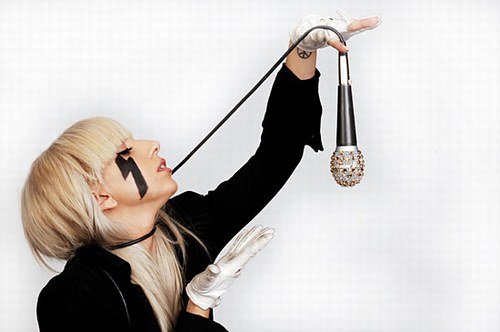
To offer my rudimentary understanding of art: art is any expression of the creator which imparts to the consumer (audience, viewer, listener, etc) some concept for consideration and discussion by way of metaphor-- in the form of a concrete (observable, audible, etc) composition, object, performance, display—the list goes on ad nauseum.
What I mean to say here is that despite what form it takes, art should be measured by the effect it has to others, namely, that it sparks/adds to discourse on some concept which it ( by deliberate action of the artist) calls attention to through the use of creative (and sometimes very subtle) metaphor. This definition assumes, of course the artists attention to detail, and creative control over his/her own work and the message conveyed therein. An arbitrary composition of any kind without point or purpose (in other words ‘art without something to say’) is almost non-existent, and by my definition would not be considered art. Furthermore it takes into consideration the fundamental assumption that the process of creating art is one that begins at a concept, which becomes an idea and then ends with the creation of a concrete piece of ‘art’. It is important to note here that in making the final product the artists own views and passions enter the work and speak through the medium (the metaphor) to touch the audience in some way, and inspire discourse and growth in those touched by it. In sum, art is also a catalyst for new ideas.
This definition is at once very inclusive and simultaneously exclusive of the arbitrary creation void of meaning or statement which occasionally passes for art. Of this I admit in any context I abhor, but it is especially insulting to see a piece without concept or position or worldview, any substance or something to say given the title ‘art’, or to allow this to be applied to the artistic pursuits, especially in light of the painstaking attention to detail devoted to some items of art which contrast starkly with these non-art examples.
Glass Houses
Sure, there are things I could sit here and bitch about, like how this person is a whiny,cynical, self-loathing know-it-all with a martyrdom complex, or how that person is a critical two-faced bitch with game so thin I saw it a mile away, or fuck, how so-and-so has his head so far up his ass he doesn't know which end of the girl is up; but I'm not going to say any of those things, because if I wanted to complain about someone I had a problem with I would do it to their f*cking face.
You know who you are, and you're welcome. I think that most things are so pointless they're not worth taking issue with, these problem people included. Personally, I'm just sick of the bullshit.
One serious issue though, that I'm facing is that I no longer command the respect I used to among my peer group. That sounded cold and clinical. But it's the only way I can put it that it makes sense to me.
My fingers hurt from playing bass. I love it, but it won't solve my problems right now. At times like this, I look to my predecessors for answers.
All I can come up with is that to be respected you must do respectable things.

I wonder why such a simple concept seems so difficult.
You know who you are, and you're welcome. I think that most things are so pointless they're not worth taking issue with, these problem people included. Personally, I'm just sick of the bullshit.
One serious issue though, that I'm facing is that I no longer command the respect I used to among my peer group. That sounded cold and clinical. But it's the only way I can put it that it makes sense to me.
My fingers hurt from playing bass. I love it, but it won't solve my problems right now. At times like this, I look to my predecessors for answers.
All I can come up with is that to be respected you must do respectable things.

I wonder why such a simple concept seems so difficult.
Fish, give me fish, give me fish...
I won't eat 'em, but I'll buy what you got...
Anyway, this is my not-so-clever way of saying I've acquired new pets, four to be exact, and they're goldfish.
Anyway, this is my not-so-clever way of saying I've acquired new pets, four to be exact, and they're goldfish.
Thursday, March 3, 2011
I don't love you
The breakdown is messy. It's a dogfight, snapping and clawing. I want to walk away in the sepia tone and dissipate.
Wednesday, March 2, 2011
b/e/d/t/i/m/e (A Transmission)
They tried to make me hate myself. They tried to instill in me the methods of my own destruction, and I let them. It left me impotent and self-loathing. Powerless
Joulie's eyes dropped to the child in front of her . She was a skinny thing no more than seven years of age, and full of all the fire and passion she herself once had. Her recent charge. Soft hazel eyes flicked up to meet her own.
"Auntie? What happened then?"
That question brought Joules back to reality. She cleared her throat. Concentrate.
'When I left the city..' A city the child had never, and would never know
"When you left..?" CeeCee C4 peered at her inquisitively over her thick, round glasses. They hung at the very end of her nose, giving her at once a very wise and also very absurd appearance. Nevertheless, she pressed on in her curiosity, her demeanor the absolute height of seriousness.
Joulie unnecessarily cleared her throat yet again, and then shook her head.
'Some other time, squirt'. She paused to ruffle the child's mousy brown hair. CeeCee frowned. 'It's past your bedtime and-" she didn't get to finish the thought. Instead she was interrupted by Ceecee's impetuous mocking.
'I'm serious, kid.'
"But Daddy would've..!"
'Goodnight' came the final order. It sounded rougher than Joules would have liked, but the mention of him caught her off guard.'Please' Softer now, she intoned, 'It's getting late'.
Joulie's eyes dropped to the child in front of her . She was a skinny thing no more than seven years of age, and full of all the fire and passion she herself once had. Her recent charge. Soft hazel eyes flicked up to meet her own.
"Auntie? What happened then?"
That question brought Joules back to reality. She cleared her throat. Concentrate.
'When I left the city..' A city the child had never, and would never know
"When you left..?" CeeCee C4 peered at her inquisitively over her thick, round glasses. They hung at the very end of her nose, giving her at once a very wise and also very absurd appearance. Nevertheless, she pressed on in her curiosity, her demeanor the absolute height of seriousness.
Joulie unnecessarily cleared her throat yet again, and then shook her head.
'Some other time, squirt'. She paused to ruffle the child's mousy brown hair. CeeCee frowned. 'It's past your bedtime and-" she didn't get to finish the thought. Instead she was interrupted by Ceecee's impetuous mocking.
'I'm serious, kid.'
"But Daddy would've..!"
'Goodnight' came the final order. It sounded rougher than Joules would have liked, but the mention of him caught her off guard.'Please' Softer now, she intoned, 'It's getting late'.
Subscribe to:
Posts (Atom)